

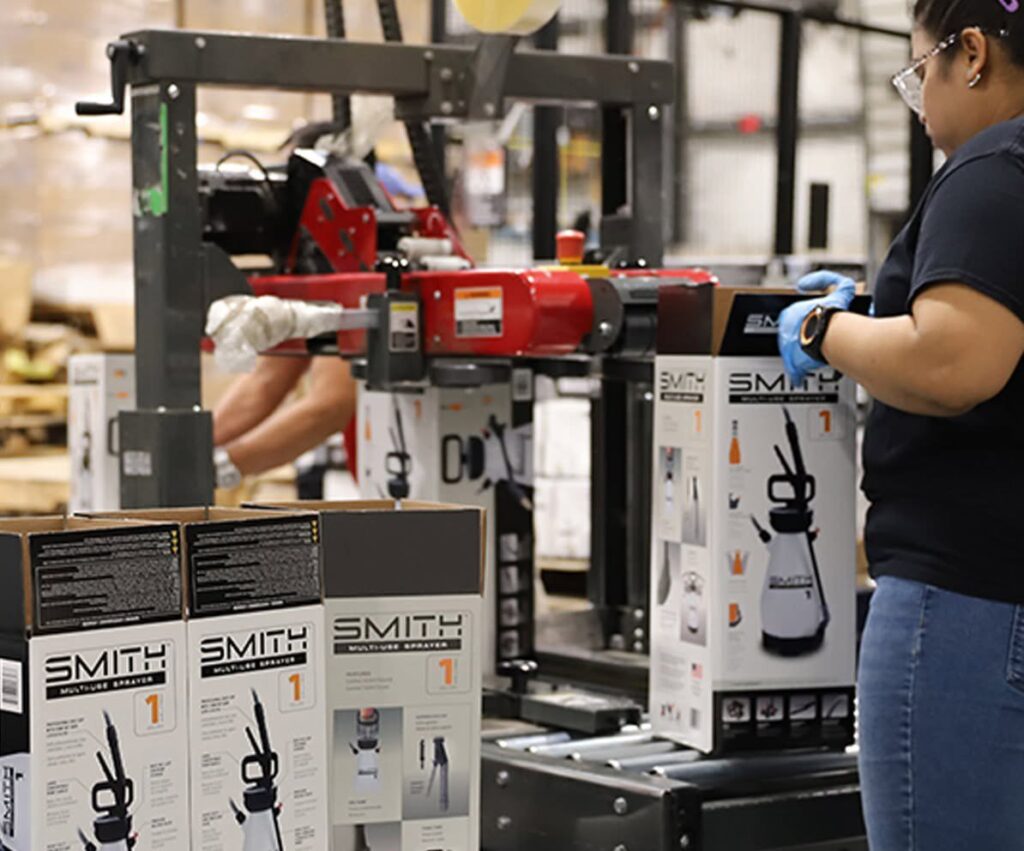
Commercial sprayers and a consumer model might look similar on the shelf, but the differences run deep. Materials, seals, chemical compatibility, and serviceability all separate professional-grade equipment from weekend hardware store options. Knowing what actually changes between the two helps working professionals justify the investment in equipment built to last.
Most buyers shopping at a big-box store never see the engineering decisions that drive long-term performance. Commercial-grade sprayers are engineered to withstand daily use, harsh chemicals, and demanding field conditions year after year. Consumer models simply are not built for the same workload, no matter what the packaging suggests.
What Is the Difference Between Commercial and Consumer Sprayers?
Commercial sprayers are built with heavy-duty materials, chemical-resistant seals, and serviceable parts designed for daily commercial use. Consumer models use lighter plastics, generic seals, and non-replaceable components engineered for occasional homeowner tasks. A commercial sprayer also offers chemical-specific configurations, higher pressure ratings, and full dealer-backed warranty and replacement parts support.
Materials and Build Quality: Where Commercial Sprayers Pull Ahead
Commercial sprayers, unlike consumer models, are separate the moment you look past the marketing label on the box. Heavy-duty polyethylene tanks, brass and stainless steel internal components, and reinforced wand connections define professional construction. Consumer sprayers cut costs by using thinner plastics, lower-grade metals, and one-piece molded parts that cannot be repaired.
Drop resistance, UV stability, and chemical exposure tolerance vary dramatically between the two available equipment categories. SMITH® tanks are engineered to flex under impact without cracking, even when filled and dropped from working height. Consumer-grade plastics crack, fade, and warp after limited sun exposure or rough handling on a job site.
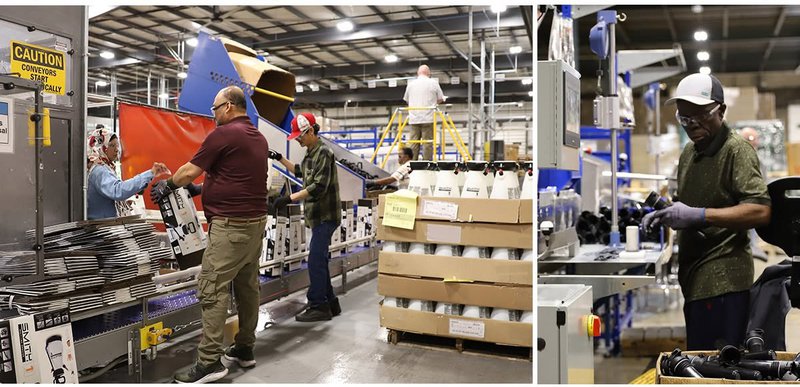
A professional applicator running equipment daily needs gear engineered for that reality, not occasional weekend use. Replaceable seals, serviceable pumps, and metal pump handles all extend the working life of a commercial unit.
The build quality gap is not cosmetic, and it shows up the first time you spray aggressive chemicals. SMITH® engineering choices add upfront cost but pay back in years of reliable, repeatable field performance. Cheaper equipment fails faster, costs more to replace, and creates downtime no working professional can absorb.
Chemical Compatibility and Seal Engineering Explained
Chemical compatibility is where consumer sprayers most often fail, usually within the first few months of regular use. Standard rubber seals swell, crack, or dissolve under contact with solvents, acids, or concentrated cleaning chemicals.
Commercial sprayers use Viton, EPDM, or chemical-specific elastomers selected to match the chemistry of the intended application. SMITH® offers acid-rated, bleach-rated, acetone-rated, and Viton-sealed models for exactly this reason. Each material choice extends seal life and protects internal components from degradation that would destroy a consumer unit.
Pump seals, O-rings, gaskets, and wand fittings all carry chemical exposure during every single spray cycle. A single weak component in the chemical path will eventually fail and contaminate or leak the entire system.
Consumer sprayers rely on a single generic seal compound across the entire lineup. SMITH® takes the opposite approach by matching seal chemistry to the specific working chemical.
Stainless steel internal components further protect against corrosion from acids, bleach, and solvents that destroy standard brass fittings. Engineered seal selection means a sprayer that holds pressure across long shifts of demanding chemical use. The result is consistent performance under chemical loads; consumer models simply cannot withstand the test of time.
Serviceability, Replacement Parts, and Long-Term Ownership
Commercial sprayers are built to be maintained, repaired, and kept in service for years of daily professional use. Pumps, hoses, wands, nozzles, seals, and triggers are all individually replaceable on a properly engineered unit. SMITH® publishes parts diagrams, manuals, and replacement part numbers for every active product across the lineup.
Consumer sprayers, on the other hand, are typically sealed assemblies designed to be thrown away when something breaks. A failed pump, leaking seal, or cracked tank means a complete unit replacement rather than a quick parts swap. The lifetime cost of consumer equipment adds up quickly over multiple seasons and job-site cycles.
A serviceable design also keeps equipment performing to its original specifications over years of continuous field deployment. SMITH® dealers carry common replacement parts and can guide professionals through the right repair for each model. Product registration further connects you to warranty coverage, manuals, and ongoing communication directly from the brand.
Long-term ownership of professional-grade equipment reduces the cost per spray hour over the unit's working life. Commercial sprayers deliver years of reliable service, whereas consumer models would already have been replaced multiple times.
Why Commercial Sprayers Deliver a Better Return on Investment
The upfront cost of a professional unit is higher, but the lifetime economics favor commercial sprayers in every scenario. Durability, serviceability, and chemical compatibility translate directly into lower cost per spray hour across the working life. Working professionals running daily applications recover the price difference within the first or second season of use.
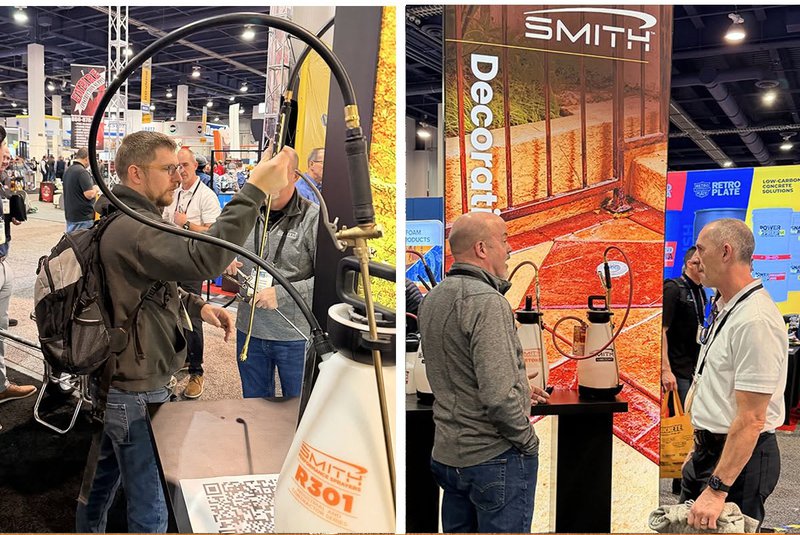
Downtime carries real cost on a job site that consumer equipment cannot absorb without disrupting the schedule. A failed sprayer mid-job means missed deadlines, lost productivity, and unhappy clients calling about delays.
Replacement cycles also drive hidden costs across multiple working seasons of consumer sprayer ownership. Replacing a consumer sprayer every season costs more over five years than a quality commercial unit.
Warranty coverage, parts availability, and dealer support further protect the original equipment purchase decision. SMITH® stands behind every product with documented warranty terms and a national dealer network.
Professional-grade equipment also performs more accurately, applies chemicals more consistently, and reduces overspray and chemical waste. Lower chemical waste alone can pay back the price gap between commercial and consumer units within one year. Choosing the right tool the first time saves money, time, and frustration across the full ownership cycle.
Choose Equipment Built for the Long Run
Stepping up to professional-grade equipment protects your time, your chemicals, and your reputation on every job site. SMITH® delivers the durability, serviceability, and chemical compatibility that working applicators need every single day. Decades of in-house engineering separate a SMITH® product from anything you will find on a consumer shelf.
The investment in real professional gear pays back across years of reliable, repeatable field performance. Lower lifetime cost, higher productivity, and full dealer support all start with the right equipment choice. See how Smith professional-grade sprayers are built to outlast and outperform the rest.