

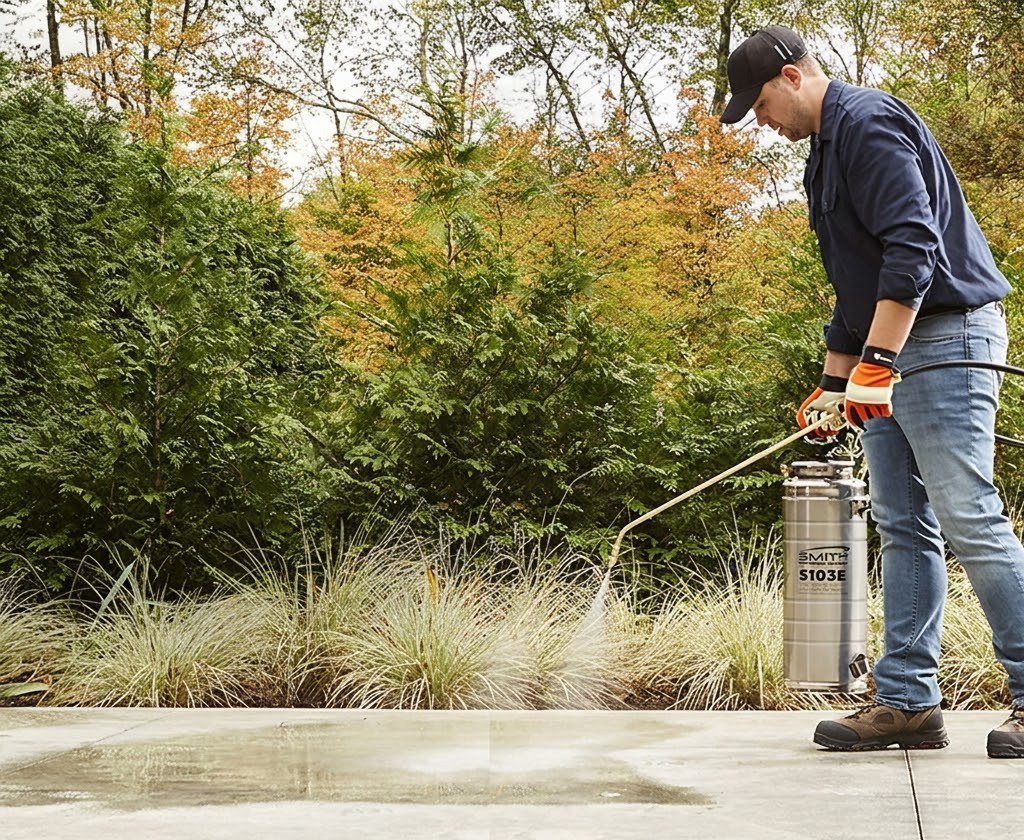
A sprayer not working at full performance bleeds money from your operation every single day on the job. Failed seals, clogged nozzles, inconsistent pressure, and frequent repairs all stack up across the working season. Most professionals tolerate underperforming equipment far longer than they should before recognizing the real cost involved.
Recognizing the warning signs early lets you make the switch before lost productivity further erodes your bottom line. Five common symptoms reveal exactly when current equipment has crossed the line from minor nuisance to serious financial liability. Knowing what to look for helps working pros catch the problem before it derails an entire workday or project.
How Do You Know If Your Sprayer Is Costing You Money?
A sprayer not working to its original specifications shows clear warning signs during daily field use that working pros should never ignore. Frequent clogs, pressure loss, inconsistent spray patterns, leaking seals, and constant repairs all signal underperforming equipment that drains time and chemicals. Tracking how often these issues interrupt your workday reveals exactly when current equipment has started costing more than its replacement would.
Sign 1: Your Sprayer Is Clogged More Often Than It Works
A clogged sprayer is the most common symptom that working pros tolerate far longer than they should across daily operations. Frequent clogs interrupt every spray cycle, waste chemicals, and force constant disassembly to clear nozzles, screens, and filters. Once a sprayer clogs on every job, it becomes the new normal, and you have already crossed into expensive territory.
Cheap sprayers clog more often because they use undersized filters, low-tolerance nozzles, and generic internal components. Chemical residue builds up faster in poorly designed flow paths than it does in properly engineered professional equipment. Daily field use accelerates the problem until the unit spends more time in repair than in actual application.

SMITH® equipment is engineered with proper filtration, accurate nozzles, and chemical-specific seals that resist buildup over time. Working pros experience longer continuous run times and fewer mid-job interruptions across every working season.
Tracking how often your sprayer clogs in a single workday reveals the real productivity cost of underperforming equipment. Working pros who measure those interruptions quickly see the math behind upgrading to professional-grade alternatives. The cost of frequent clogs almost always exceeds the price difference between consumer and professional equipment.
Sign 2: Pressure Loss Is Making the Job Take Twice as Long
Pressure loss is the second most damaging symptom of underperforming sprayer equipment across every professional industry. Weak spray patterns, slow output, and inconsistent application all signal pump system wear that has crossed into productivity-killing territory. Working pros who notice jobs taking twice as long should diagnose the pressure system before tolerating further loss.
Worn pump seals, damaged pressure relief valves, and degraded components all contribute to gradual pressure loss over time. Cheap pump assemblies rarely tolerate the daily pressure cycling that professional applications demand across multiple seasons.
SMITH® pumps are engineered with serviceable components and chemical-resistant seals that maintain rated pressure across years of use. Pressure-rated specifications stay accurate across the working life of every unit in the lineup. Working pros depend on that consistency to plan jobs, estimate workloads, and maintain quality across every application.
Pressure loss also forces operators to pump more frequently, accelerating fatigue during long workdays in the field. Lithium-ion powered SMITH® options eliminate manual pumping entirely while maintaining constant pressure across extended application windows. Choosing the right equipment ends the productivity drain caused by gradual pressure loss across every working season.
Sign 3: Leaking Seals Mean Your Sprayer Is Not Working Right
Leaking seals signal that a sprayer is not working as designed and has entered the expensive end-of-life territory. Chemical leaks waste expensive products, contaminate work surfaces, and pose operator safety risks throughout the workday. A leaking seal is rarely an isolated problem and usually indicates broader issues with chemical compatibility or material quality.
Cheap rubber seals swell, crack, or dissolve under contact with the acids, solvents, and concentrated cleaners that professional applications demand. Consumer-grade sprayers ship with generic seal compounds that cannot handle the chemistries pros work with every single day. Operators end up replacing seals constantly, only to face the same failure pattern within weeks of installation.
SMITH® offers seal material options such as various Viton(TM) formulas, EPDM, Buna, and others matched to specific working chemistries such as solvents, acids, bleach, and more across the entire product line-up. The right seal compound prevents leaks, extends service life, and maintains chemical compatibility across years of field deployment. Working pros who match equipment to chemistry stop fighting leaks and start running productive workdays again.
Tracking chemical loss from leaking seals reveals the hidden cost most operators overlook in their annual equipment budget. A few drops per cycle add up to gallons of wasted product across a full working season.
Sign 4: Constant Repairs Show Your Sprayer Is Not Working as Designed
Constant repairs are the clearest signal that a sprayer is not working at the level a working pro should accept. Equipment that needs weekly repairs has crossed the line from minor maintenance to an outright financial liability across every season.
Broken triggers, snapped pump handles, cracked tanks, and failed valves all point to fundamental build quality issues. Consumer-grade sprayers are typically sealed assemblies that cannot be repaired even when individual components fail in the field. A failed pump or trigger usually requires a complete unit replacement, which compounds costs over multiple working seasons.
SMITH® equipment is engineered for serviceability, with replaceable pumps, seals, triggers, hoses, and wands across the entire lineup. Published parts diagrams and a national dealer network make routine repairs fast, affordable, and predictable for working pros. Properly maintained SMITH® equipment delivers years of reliable service that consumer alternatives simply cannot match across any environment.
Tracking repair frequency and cost across a single working season reveals the real economics of underperforming equipment. Working pros who run the numbers usually find that one quality unit costs less than multiple consumer-grade replacements. The right purchase decision ends the repair cycle and restores predictable equipment performance across every workday.
Sign 5: Your Sprayer Is Not Working With the Chemicals You Run
A sprayer not working with the chemicals you actually use is the most overlooked sign of underperforming equipment in the field. Standard sprayers ship with generic seal compounds and plastic components that simply cannot handle aggressive professional chemistries. Material incompatibility manifests as seal swelling, tank degradation, hose hardening, and persistent leaks during daily operations.

Acids, bleach, acetone, solvents, and concentrated cleaning chemistries all demand specific seal materials, components, and tank construction to perform reliably. Consumer-grade equipment treats every chemical the same way, which guarantees premature failure in demanding professional applications. Working pros who match the wrong sprayer to aggressive chemicals end up replacing equipment far more often than necessary.
SMITH® offers chemical-specific models built around the exact chemistries working pros run on construction, pest control, and sanitation jobs. Stainless steel tanks and components, Viton(TM) seals, and solvent-compatible components extend equipment life under conditions that destroy standard equipment within weeks. Working pros gain predictable performance, longer service life, and reduced chemical waste across every demanding job-site application.
The right equipment eliminates chemical-related failures and restores predictable performance across every working application. Choosing chemistry-matched gear pays off with lower replacement frequency, reduced chemical waste, and higher daily productivity.
Make the Switch to Equipment Built for the Work
Five clear signs reveal exactly when current sprayer equipment has started costing more than it should across every working season. Clogs, pressure loss, leaking seals, constant repairs, and chemical incompatibility all signal the time has come for an upgrade. SMITH® delivers the durability, chemical compatibility, and serviceability working pros depend on across every demanding job site.
Running the numbers on current equipment failure rates reveals the real economics of switching to professional gear. Lower lifetime cost, higher productivity, and full dealer support all start with the right purchase decision today. Compare your current setup to what SMITH® professional sprayers deliver, and make the switch.