

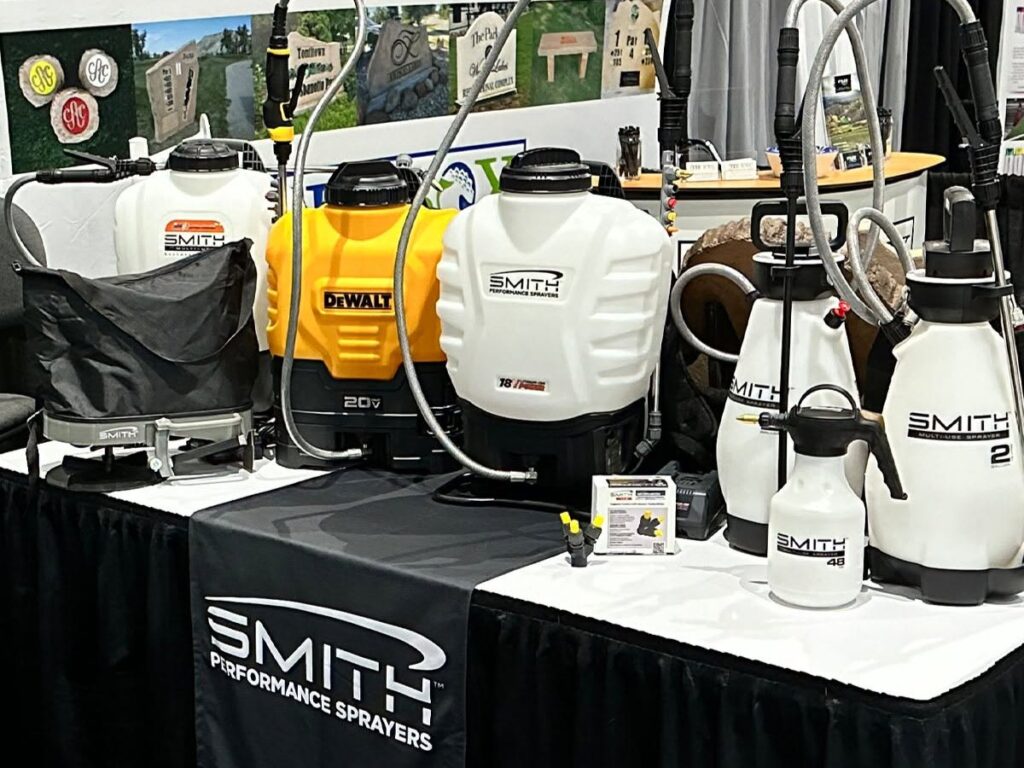
The right pump sprayer for one industry can be completely wrong for another, even when the units look identical. Pest control, landscaping, construction, and facility maintenance each demand different capacities, chemical compatibilities, and feature sets. Matching the equipment to the application protects your chemicals, your productivity, and the sprayer's lifetime.
Working professionals waste real money every year by buying generic units that fail under industry-specific demands. A landscaper applying fertilizer needs a very different sprayer than a contractor applying form release on a concrete pour. Knowing exactly what to look for in your industry makes the buying decision faster, smarter, and far more cost-effective.
How Do I Choose the Right Pump Sprayer for My Job?
Choosing the right pump sprayer starts with matching capacity, chemical compatibility, seal materials, and often comfort to your specific industry application. Pest control operators need precision nozzles and chemical-resistant seals, while landscapers prioritize larger capacities and ergonomic backpack designs. Construction and facility crews benefit from SMITH® specialty models built for acids, solvents, bleach, and heavy-duty cleaning chemistries used on the job.
How to Choose the Right Pump Sprayer: 5 Universal Criteria
Choosing the right pump sprayer starts with five universal criteria that apply across all industries and applications. Capacity, chemical compatibility, component materials, ergonomics, and serviceability all drive long-term equipment performance on the job. Working through each criterion in order makes the buying decision faster, smarter, and far more cost-effective.
1. Match Capacity to Your Workload
Capacity should always match the volume of work, not the marketing label on the box. Hand-held units in 1 to 3-gallon capacities work well for spot treatments and tight indoor or detail work. Backpack and larger tank models suit continuous applications, broader coverage areas, and longer workdays in the field.
2. Verify Chemical Compatibility
Chemical compatibility is the single most overlooked factor when selecting a pump sprayer for professional use. Seal compounds like Viton, EPDM, and acid-rated elastomers each handle very different chemistries across the working day. SMITH® offers chemical-specific models for acids, bleach, acetone, foaming, and standard liquid applications used across industries.
3. Inspect Component Materials
Component materials determine how long the unit survives daily field use, sun exposure, and chemical contact. Professional-quality polyethylene and stainless steel tanks, metal connection points, stainless steel wands, and brass connectors all signal real professional construction. Consumer-grade plastics crack, fade, and warp under conditions that professional-grade SMITH® equipment handles without issue.
4. Evaluate Ergonomics and Operator Comfort
Operator fatigue drives lost productivity across every workday spent fighting uncomfortable or poorly balanced equipment in the field. Padded straps, balanced tank designs, variable flow controls, trigger locks, comfort grips, and extended reach wands all reduce strain on long routes. Comfortable equipment keeps operators productive, accurate, and on schedule through the longest workdays of the season.
5. Confirm Serviceability and Parts Availability
A serviceable pump sprayer with available replacement parts protects your investment across years of continuous field use. SMITH® publishes parts diagrams, manuals, and replacement components for every active product in the catalog. Documented warranty terms and a national dealer network keep equipment in service across the working life of every unit.
Pump Sprayer Selection for Pest Control Professionals
Pest control operators need a pump sprayer engineered for chemical precision, operator safety, and long working hours on the route. SMITH® offers dedicated pest-control models with chemical-resistant seals, precise nozzles, and lithium-ion options for hands-free operation. Matching the right unit to the specific chemistries and account types you service protects both performance and operator health.
Route density and account type both drive the right capacity selection for daily pest control work in the field. Smaller 1-gallon and 2-gallon hand-held units work well for spot treatments and tight residential routes between accounts. Larger backpack models suit commercial accounts, exterior perimeter work, and longer continuous application on a single route.
Seal compound failure is the single most common reason equipment breaks down across daily pest control operations. Viton™ seals withstand the insecticides, and surfactants used in modern pest control programs.
The XP100P lithium-ion pest control sprayer delivers constant pressure across long routes without continuous manual pumping fatigue. Adjustable cone and fan nozzles cover everything from crack-and-crevice work to broad perimeter applications across commercial accounts. Documented parts availability and a national dealer network keep your route equipment running during peak pest-pressure seasons.
Choosing the Right Sprayer for Landscaping and Turf Work
Landscape and turf professionals need equipment built for fertilizers, herbicides, fungicides, and continuous, precise, and high-volume applications throughout the workday. Larger capacities reduce refill stops on large properties, while ergonomic backpack designs protect operators during long workdays. Material compatibility matters because turf chemicals vary widely between liquid fertilizers, weed controls, and disease treatments.
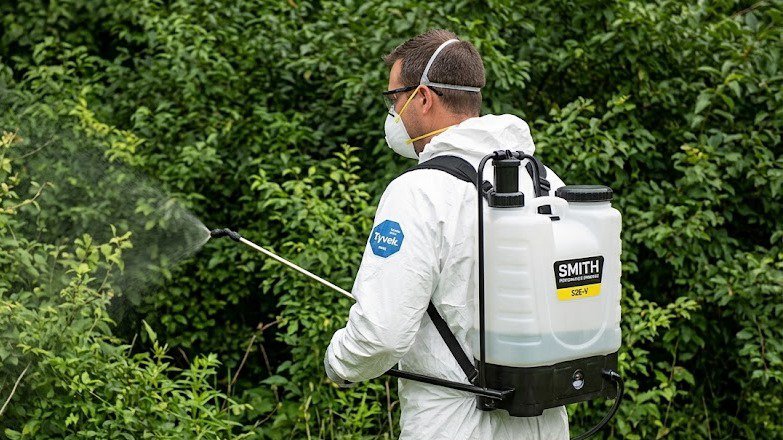
Backpack sprayers In the 4-gallon range, strike the best balance for most landscaping operations covering large area jobs. SMITH® offers manual and 18V lithium-ion backpack models, such as the S2E-V, with variable flow control for precise application.
Spreader compatibility further expands the equipment lineup for turf operators handling granular fertilizers and ice-melt products. SMITH® broadcast push spreaders cover 65 and 80-pound capacities in poly and stainless steel construction. Combining the right pump sprayer and spreader streamlines the full landscape workflow across every property on the schedule.
Variable flow control also lets operators dial in spray rate by chemical type and target area across the workday. Long-term SMITH® dealer support keeps the entire turf equipment fleet running across multiple growing seasons without disruption. Operators move faster, apply more accurately, and reduce wasted chemicals across every job on the route.
Construction and Concrete Pump Sprayer Requirements
Construction crews face the most aggressive chemical environment of any pump sprayer application across the entire trades industry. Form release, curing compounds, sealers, acids, and acetone all degrade standard seals within weeks of regular use. SMITH® engineers a dedicated lineup of stainless steel and models with EPDM or various grades of Viton™ seals for these exact, demanding job-site conditions.
Acetone-rated tanks like the M200AT and M200EP serve concrete contractors working with solvent-heavy products on a daily basis. The dripless wand on the M200AT prevents chemical drips that mark finished surfaces during concrete and flooring work. Solvent-compatible seals across these models protect internal components from degradation that destroys standard equipment within weeks.
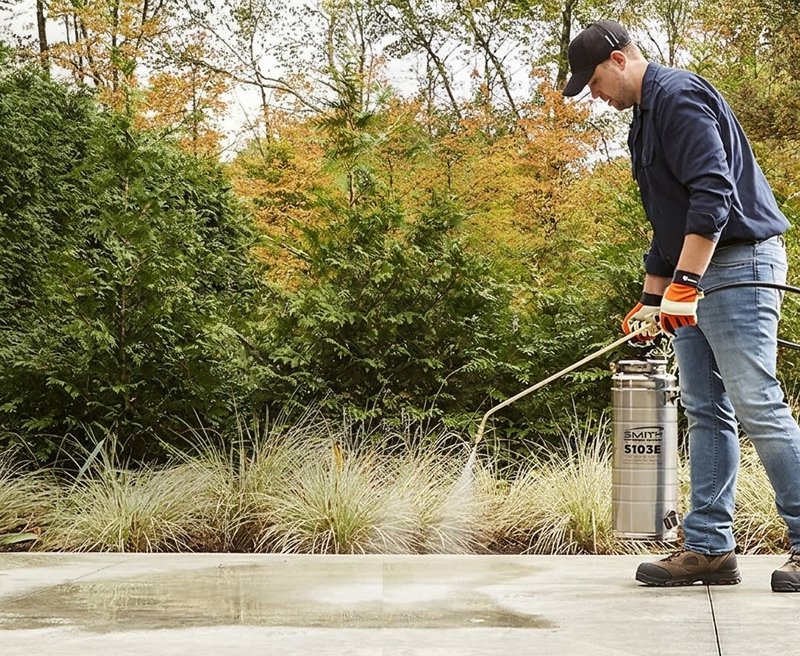
Acid-rated models target masonry cleaning, etching, and brick restoration applications across commercial and residential construction projects. The S103EX Viton EXTREME unit delivers concrete-compression spraying performance that outlasts every other standard sprayer in the category. Stainless steel construction further protects against harsh jobsite abuse and handles larger pressures demanded by the chemicals used in concrete applications.
Backpack and tank sprayer options also serve concrete crews working larger pours and broader surface applications across the job site. SMITH® dealer support keeps the construction equipment fleet running through demanding project schedules and tight deadlines.
Facility Maintenance and Janitorial Sprayer Considerations
Facility and janitorial crews use sprayer equipment across cleaning, sanitation, and disinfection protocols on a daily basis. SMITH® bleach-compatible, foaming, and sanitizing models cover the full range of janitorial chemistries used across commercial facilities.
The BLEACH model handles concentrated sodium hypochlorite and disinfecting chemistries that destroy standard rubber seals within weeks. Foaming sprayers like the R200F and TT100V add dwell time for cleaning chemicals on vertical surfaces and equipment.
Foggers, including the ULV17 cold fogger, handle large-area disinfection and pest treatment work. Chemical compatibility, capacity, and ease of operation all play a significant role in selecting the right equipment. Ergonomic design, replaceable seals, and full parts availability all matter for crews running equipment across multiple shifts.
SMITH® equipment delivers the durability and chemical compatibility that facility maintenance crews depend on across every workday. Documented warranty terms and dealer support further protect the original equipment purchase throughout the unit's working life. The right sprayer choice keeps facility operations running smoothly across every cleaning and disinfection protocol on the schedule.
Find the Right Sprayer for Your Industry
Choosing the right pump sprayer for your industry protects your chemicals, productivity, and bottom line. SMITH® offers dedicated equipment for pest control, landscaping, construction, and facility maintenance across every major chemical application. Matching the right tool to the right job pays back across years of reliable, repeatable field performance.
The full SMITH® lineup covers every capacity, chemical, and configuration working professionals need on the job. Decades of in-house engineering and a national dealer network back every single purchase from day one. Use our product finder to match the right Smith sprayer to your specific application.