

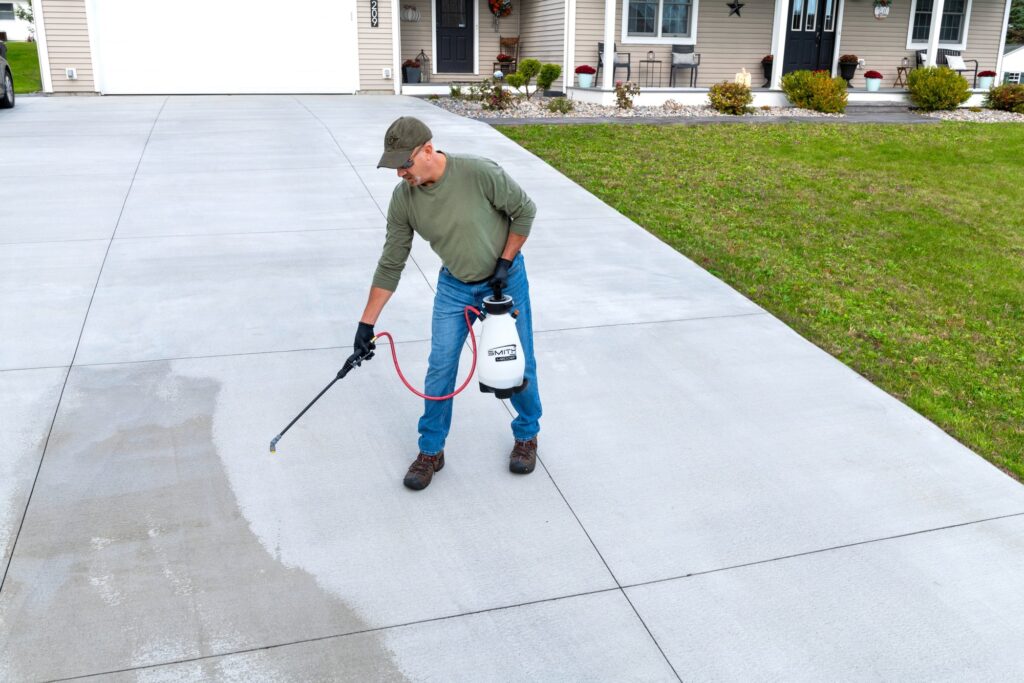
Smart pest control sprayer maintenance before peak season keeps your route on schedule as service calls pile up. A clogged nozzle or worn seal can cost you an entire afternoon of stops and a couple of unhappy customers. A few hours of prep now saves you from roadside repairs in the middle of summer.
If you maintain sprayer pest control equipment for a New York route, humid summers and long days test every seal. You will learn how to inspect, calibrate, and care for your SMITH® backpack and shoulder sprayers before the rush. You will also see which features make the XP100P and SMUBP backpack easy to keep route-ready.
How Do You Handle Pest Control Sprayer Maintenance for a Backpack Unit?
Start by flushing the tank with clean water, then inspect seals, hoses, and nozzles for wear or residue. Next, calibrate your output with water and a measuring container so each application matches the product label rate. Finally, fully charge batteries, replace worn parts, and clean the sprayer after every route day.
Inspect and Clean Before the First Route
Pull every sprayer out of storage at least a week before your season ramps up. Then, fill each tank with clean water and run it through the wand to spot leaks right away. Watch the shutoff, hose connections, and tank cap closely, since slow drips often start at those points.
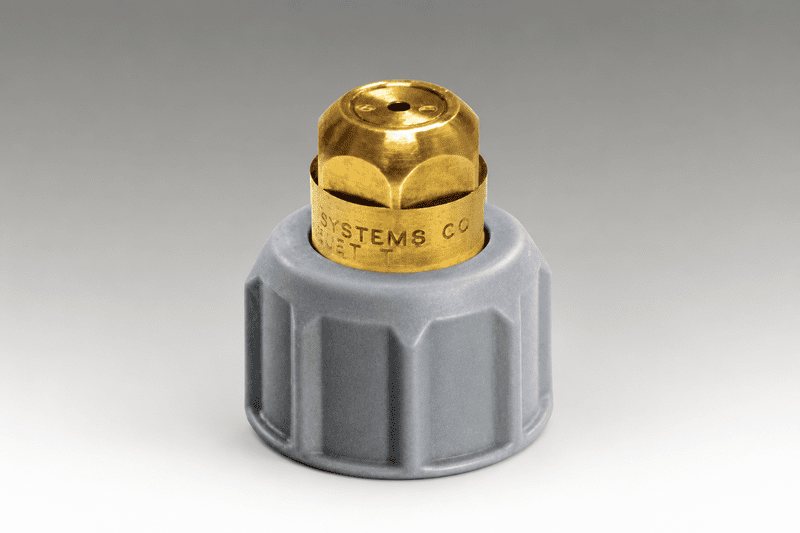
Next, remove each nozzle and soak it in warm water to loosen dried pesticide residue. Clean the orifice with a soft brush instead of a pin, because metal tools can widen the opening.
Seals deserve the closest look, since hardened or swollen seals cause many mid-route pressure problems. Fortunately, both the XP100P and the SMUBP backpack use Viton® seals built to resist common pest control chemicals. Still, replace any seal that feels brittle, cracked, or flattened before you load the truck.
Inspect hoses for cracks, soft spots, or kinks, paying extra attention where the hose meets the wand. Also check the SMUBP’s padded straps, waist belt, and chest strap, since a broken strap can end a route fast. Pre-season pest control sprayer maintenance like this takes an afternoon and protects weeks of steady work.
Calibrating Your Sprayer for Accurate Applications
Calibration tells you how much product leaves the nozzle, so every application matches the label rate. Worn nozzles and drifting pressure change your output over time, even when the sprayer looks fine. As a result, you can overapply in sensitive areas or leave gaps that invite callbacks.
Add calibration to your pest control sprayer maintenance checklist before each season and after any nozzle change. Follow these simple steps using clean water and an ounce-marked measuring cup.
- Fully charge or pressurize the sprayer so you test at the same pressure you use on the route.
- Spray into the measuring cup for 30 seconds, then double the amount to find your output per minute.
- Compare that number to the label rate and the nozzle’s rated flow to see whether anything has changed.
- Replace the nozzle tip if output runs high or the pattern looks uneven, since wear widens the orifice.
Battery sprayers simplify calibration, since the XP100P holds 16 to 23 pounds per square inch (PSI) without pumping. With the manual SMUBP, pump the same number of strokes before each test to keep pressure comparable.
Pump, Battery, and Daily Pest Control Sprayer Maintenance
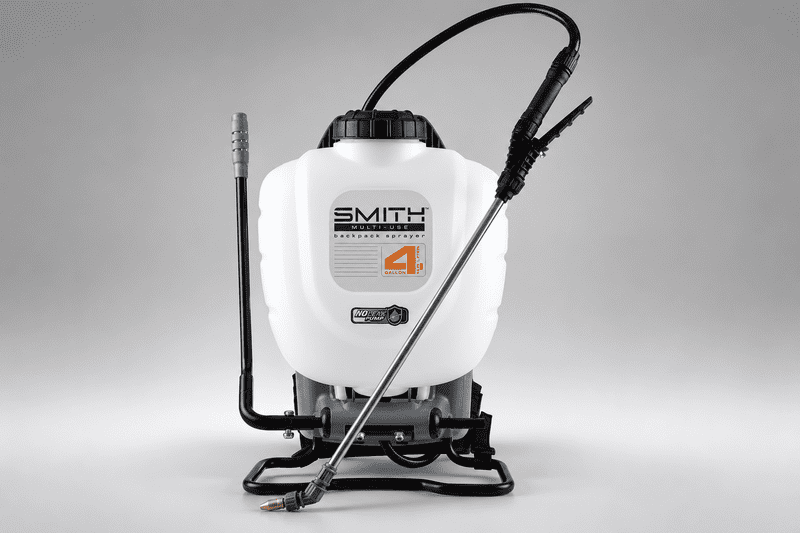
The SMUBP uses an internal no-leak pump, so chemicals stay inside the tank instead of dripping down your back. Still, inspect the pump handle and its pivot for loose fittings, since you can swing it left or right. Also, clean the in-line filter in the professional shutoff, because debris there quietly weakens your spray pattern.
Battery care matters on the XP100P, which uses a 7.2-volt lithium-ion pump to hold steady pressure. Fully charge it with the included wall charger before your first route, and recharge it overnight after each day. Meanwhile, keep the tank cap on during transport, since SMITH® includes it for safe storage between stops.
Daily pest control sprayer maintenance keeps small issues from turning into roadside breakdowns. At the end of each day, empty any leftover mix as directed on the label and flush the tank, hose, and wand. Then, open the SMUBP’s pressure relief valve before removing the lid, and store both sprayers upright.
When a part wears out, order genuine SMITH® replacement parts to maintain chemical resistance and pressure. The SMITH® manuals page also includes care steps for the XP100P, SMUBP, and other route sprayers.
Keep Pest Control Sprayer Maintenance Simple With SMITH®
Peak season rewards you when you show up every morning with clean, calibrated, fully charged equipment. A few minutes of daily care and one afternoon of prep keep your route moving through the busiest months. Your customers see the payoff in on-time visits, clean treatments, and fewer callbacks after each service.
SMITH® designs pest control sprayers with Viton® seals, no-leak pumps, and parts you can find when you need them. Get your SMITH® backpack sprayer route-ready, and browse the professional pest control lineup to fill any gaps in your kit. Contact a SMITH® dealer before peak season and stock the parts and sprayers your route depends on.